
By MICHAEL F. CANNON
 State after state is refusing to implement ObamaCare’s health insurance Exchanges. Republican David Merritt hopes they will “grudgingly decide” to change their minds.
Merritt is a health care adviser to Newt Gingrich. He is also a senior adviser at Leavitt Partners. Leavitt Partners is a consulting firm that makes money by helping states implement ObamaCare. In the Daily Caller, Merritt tries to persuade state officials to help implement a law they oppose.
Merritt begins his pro-Exchange argument like so: “Imagine that you’re being required to buy a car.” Would you rather choose that car yourself, he asks, or would you rather the dealer choose the car? Hmm, good question. I choose Option C: wring the neck of whoever is requiring me to buy a car. Not Merritt, though. He counsels states to choose their own “car.”
There are so many problems with this analogy that it’s hard to list them all. First, as Merritt essentially admits, states would be able to choose from such a narrow range of “cars” that it scarcely makes a difference whether they pick their own or let the feds do it. Second, states would only have to pay for their “car” if they pick it out themselves; otherwise, the feds pay for it. So Merritt is literally urging states to volunteer to pay for a “car” when the feds would otherwise hand them one for free. Finally, he says states should select their own “car” even though “no one knows what a federal [car] would look like.” How can Merritt counsel states to choose Option A if he admits he doesn’t even know what Option B is? Wouldn’t the prudent course be to wait and see? Especially since the Obama administration admits it doesn’t have the money to create Exchanges itself?
Merritt’s hypotheticals don’t make his point, either:



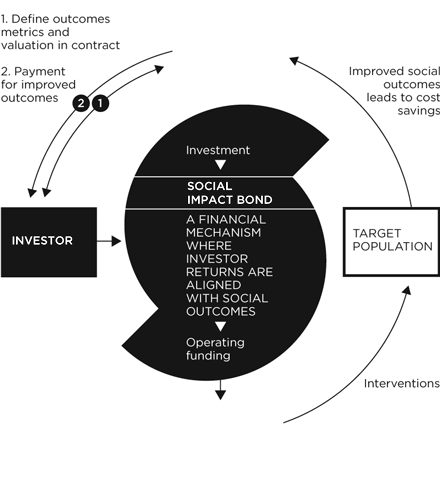 Government budgets are tight during the recession, with cuts to public health budgets being announced on almost daily basis. What strategies are available to enhance revenues for public welfare programs–for the kinds of health and education expenses that won’t “pay for themselves”(at least in the short term), and therefore are often the first to get slashed in hard times? Raising



