
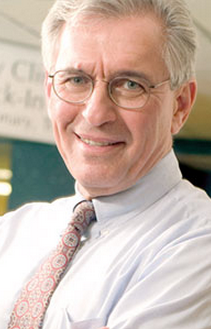
 Etiology, pathogenesis and translational science beat drums to which modern medicine marches – with escalating cadence. Yes, there is cacophony on occasion and missteps, but we all wait for the next insight to trigger a wave of enthusiasm at the bench and beyond. “Disease” is no longer an elusive monster in the swamp of ignorance; “disease” is prey. It can be defined, parsed, deduced, and sometimes defeated.
Little of this pertains to “health.” Health does not objectify itself. Nor is it simply the absence of disease. Health has temporal and geographic dimensions. Health is inseparable from the context in which it is experienced. Health has a narrative laced with peculiar, often idiosyncratic idioms. Furthermore, there is a crucial difference between the health of a person and the health of the people.
Science has limitations when it comes to studying health. For one, the studying becomes a component of the experience of health. Nonetheless, we have accumulated a great deal of substantive information that serves to define the boundaries of healthfulness and offers options with salutary potential. Much of this reflects a century of considering the personal ramifications of gainful employment. Much of this falls under the purview of occupational medicine and should be a source of pride.
 My wife of 47 years likes to tell of her travails after having married me. She claims she had no inkling that I would specialize in despised career choices. Right after we were married, I served as an infantry airborne officer in Viet Nam, a then despised profession. Then I became a trial lawyer. A very despised profession. And then in 2004, I became the CEO of a health insurer, the pinnacle of my career in despised professions. At one point she stopped reading the Providence Journal and listening to local talk radio. When asked if she were my wife, she’d often reply, “Why do you want to know?”
 In my personal time away from my role at Deloitte, I am a private pilot and passionate volunteer for a charity that facilitates free air transportation for children and adults with medical conditions who need to get to treatment far from home. In my interactions with these patients I hear how important communication is to their well-being. I also hear how outreach from life sciences companies enables improvements in their lives and puts them back at the center of the health ecosystem.
 If concepts could get awards, then “risk factor” would surely be a Nobel prize winner. Barely over 50 years of age, it enjoys such an important place in medicine that I suspect most of us doctors could hardly imagine practicing without it. Yet, clearly, the concept is not native to our profession nor is its success entirely justified.
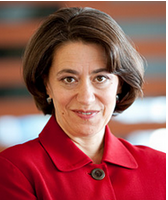 Quality is all the rage in health care these days. It rolls off the presidential tongue and is at the heart of robust targets set by Health and Human Services Secretary Sylvia Burwell. (No less than half of all Medicare payments to be quality based by the end of 2018!)
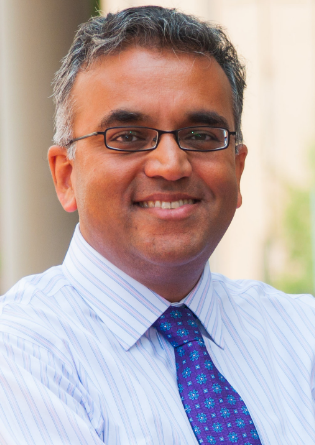 An expert panel convened by the World Health Organization just declared that there is no scientific basis for canceling, postponing or moving the 28th Summer Olympics in Rio de Janeiro in August or the Paralympics in September because of the Zika outbreak. While many of us experts have expressed concerns about how the WHO handled Ebola and other outbreaks, this time the WHO got it right.
 In the United States, we have historically invested far more in treating sickness than we do in maintaining health. The result of this imbalance is not only poorer health, but more money spent in institutions, hospitals, and nursing homes.




