

 Virtual visits are increasingly the rage amongst forward-thinking healthcare providers that want to jump on the telehealth band wagon. Extending the office visit across distance, using the same technology we use to keep in touch with loved ones (videoconferencing such as Skype and FaceTime), is a safe and logical way for providers to venture into a new tech-enabled world that may still be scary for some.
One way to think of this trend is to consider virtual visits an extension of the brick and mortar care model made famous a decade ago by companies like Minute Clinic. Offer convenient access to a care provider for a limited number of conditions.
Virtual visits can take place by either video or voice connection. These interactions are most often for indications that are non-life threatening, acute problems such as sore throat, ear ache, urinary tract infection and the like. There is also a role for this technology in follow up care for conditions such as diabetes and hypertension, but for this post we’ll focus on acute care.
 Andy Slavitt began his statement at the Datapalooza conference with encouraging words for
 In my blog posts, I speak from the heart without a specific political or economic motivation. Although I’ve not written about highly controversial subjects such as religion, gun control, or reproductive policy, some of the topics in my posts can be polarizing. Such as was the case with MACRA.
 In a recent article entitled “

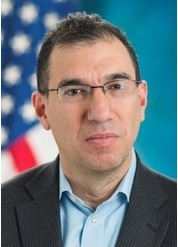 There’s a bit of a checklist for speaking at Datapalooza. Thank Niall. Mention Todd Park. Remark at how big the event has gotten compared to last year. Recap how much progress has been made. Refer to yourself as a “data geek” . Also, have in my notes “Good not to follow Farzad or Aneesh” . Perhaps even make some news with an announcement or grant or contest. Several of my colleagues did this and I share their excitement.
 The healthcare transformation from fee for service to fee for outcomes just got an adrenaline shot in the arm April 27th when the Department of Health and Human Services surprised many in the market by announcing a Quality Payment Program, a proposed set of new rules to take effect in 2019.






