
By ALAN PITT, MD
I’m a radiologist. I spend my day looking at CT scans and MRI scans. When it’s a good day, I have interesting scans to review, but much of my work is not too dissimilar from a TSA screener’s. One normal scan after the next, it’s akin to trying to stay alert so that the gun someone’s trying to sneak through in their luggage isn’t missed. In my case, of course, it’s a cancer or other unexpected medical abnormality finding.
Computer-Assisted Diagnosis
Most of my day I work on a computer workstation presenting the exams. In my dream, my workstation does more than simply display the exam. It assists in reading the case. If there’s an abnormality, I can click on the area, and the workstation takes the image and compares it to millions of other cases in the cloud. It tells me, based on that patient’s age and sex and other information, how likely it is the finding is a tumor and maybe even, if so, what kind of tumor. At other times the workstation tells me whether a study is normal or not, freeing me to do other activities. However, this dream is not shared by all of my colleagues.
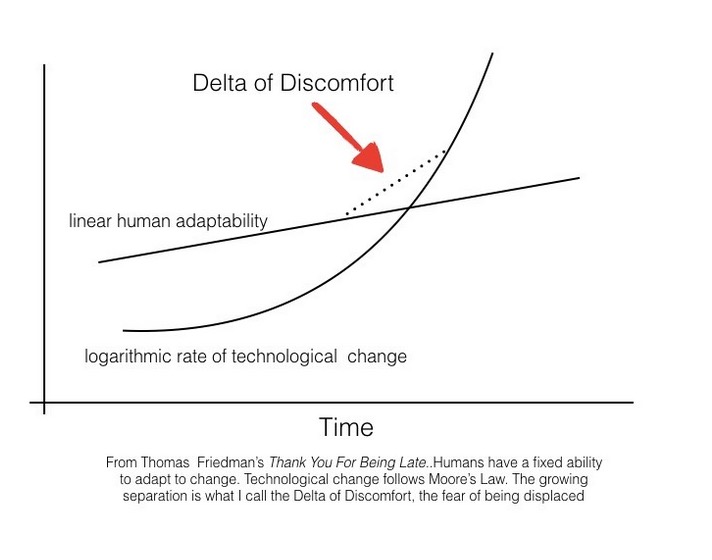
When I mentioned this work-flow scenario to one of my residents—this idea of computer-assisted diagnosis with constant improvement, or what is known as artificial intelligence, or AI—he said it sounded awesome, but he really didn’t want to have it if it was available to everyone. His comment is something of a mixed message: Yes, I see value but no, I don’t want it.
It’s largely based on fear of being replaced by computers. And it’s a song I’ve heard before.

 How much does it matter which hospital you go to? Of course, it matters a lot – hospitals vary enormously on quality of care, and choosing the right hospital can mean the difference between life and death. The problem is that it’s hard for most people to know how to choose. Useful data on patient outcomes remain hard to find, and even though Medicare provides data on patient mortality for select conditions on their
  In late March of this year,
  Many countries in the world have dysfunctional governments. Some have corrupt and devious ones, or even deadly ones. We’ve lived with serious dysfunction in Washington for two decades. Now we join the ranks of countries with a corrupt and devious government, one without a moral compass.






