

For the second time in just four months, President Trump finds himself standing on the sidewalk reeling and looking for the license number of the health policy truck that hit him.
In the wake of Senator John McCain’s unexpected vote last week killing the “skinny” version of ACA repeal, Republicans abandoned their efforts to “repeal and replace” ObamaCare.
Though the process may not be “over” as of this writing, this has been the most catastrophically mismanaged federal health policy cycle we’ve seen in our lifetimes. In this post, I turn to Blumenthal and Morone’s 2009 analysis, The Heart of Power: Health and Politics in the Oval Office” for help in deconstructing the Trump Presidency’s politically costly health policy adventure.
Blumenthal and Morone distilled eight key lessons about how to manage the health care issue from the records of the post-Roosevelt Presidents’ health policy efforts. Attached to each lesson is a letter grade for Trump’s performance.
To succeed in health reform, President must “care deeply” about the issue.
Candidate Trump did not pretend to be a health policy expert, but the most potent applause line in his campaign speeches was his promise to the Republican base to “repeal and replace” ObamaCare. Trump complicated his task, perhaps without fully realizing it, by running way to the left of his base in promising not to cut Medicare and Medicaid and to give people better coverage for less money.Continue reading…



 This Spring,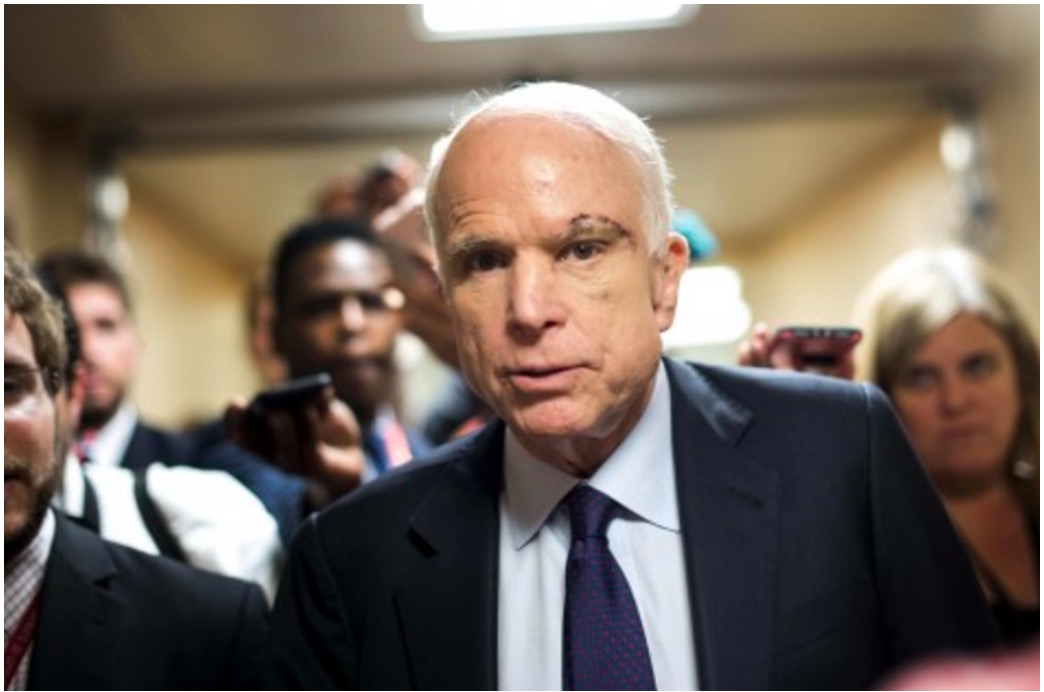

 Who knew healthcare could be so complex? The GOP proposal for health care reform rests on health savings accounts and high deductible health plans. The basic premise is that price opacity, and deep pocketed third party payers drive up the cost of health care. Giving patients dollars in health savings accounts they control should make them price sensitive, and thus help reduce the cost of healthcare. A recent analysis by Drs. Chandra and others provides an interesting perspective on the matter.






