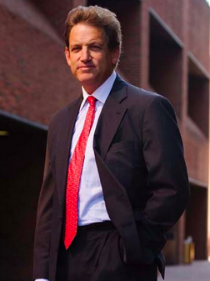
Today Donald Trump pulled a big surprise. He changed the much criticized appointment for his new VA head from over-effusive physician Rear Adm. Ronny Jackson to well known lefty health blogger Matthew Holt. When asked why he wanted Holt to run the VA Trump said, “Look, I’m pretty smart and I’ve appointed now only the best people like John Bolton and Mike Pompeo to run our foreign policy. If I appoint someone else I like, how can I fire him quickly? That Holt guy seems to hate me, and he’s never stayed in one of my hotels, so he’s perfect for the VA–I hear that the accommodation is a bit rough, not exactly a ten.”
When THCB asked Holt why he agreed to take the job running the VA, he suggested that it had a lot to do with his English roots. “As most of my followers know I grew up in England and like the concept of everyone suffering together in a government funded and provided socialized National Health System. The VA and its fellow traveler the DOD is the only health system like that in America and it’s a brilliant place to start”. When asked about his likely future polices for the VA, Holt suggested that massive expansion was the key initiative. In a written statement, his VA spokesman noted “Given the utter lunacy of the Trump Administration and the crazy warmongers now running the show, the chances of total war versus North Korea and Iran are very high. So essentially everyone in the country will soon be called up to the military, which means that soon eventually everyone will be a Veteran. And if Trump loses in 2020, by 2021 we’ll be at war with the Russians so either way my theory pays off.”
Holt was on the Charlie Rose show last week when he told Rose about his philosophy for the future. “When everyone in the country is part of the VA, we can shut down that ineffective and expensive private health system, and instead everyone can get their care the way I think is best. And if they don’t like it Rasu Shrestha will send them their records using the Lighthouse Blue Button Carrier Pigeon system, and we’ll give them a row boat to head to Nepal or somewhere.
When TCHB reached him for comment, Cato health spokesman Michael Cannon said, “if you are going to expand this universal health care stuff, you might as well give it a real go. Lucky for me, I have bone spurs…”

 This week MyFitnessPal announced that it had suffered a massive security breach which exposed or compromised 150 million MyFitnessPal accounts. Data that is affected included usernames, email addresses and hashed passwords. Luckily for those affected, the company claims that the affected data did not include government-issued identifiers or payment card data.