
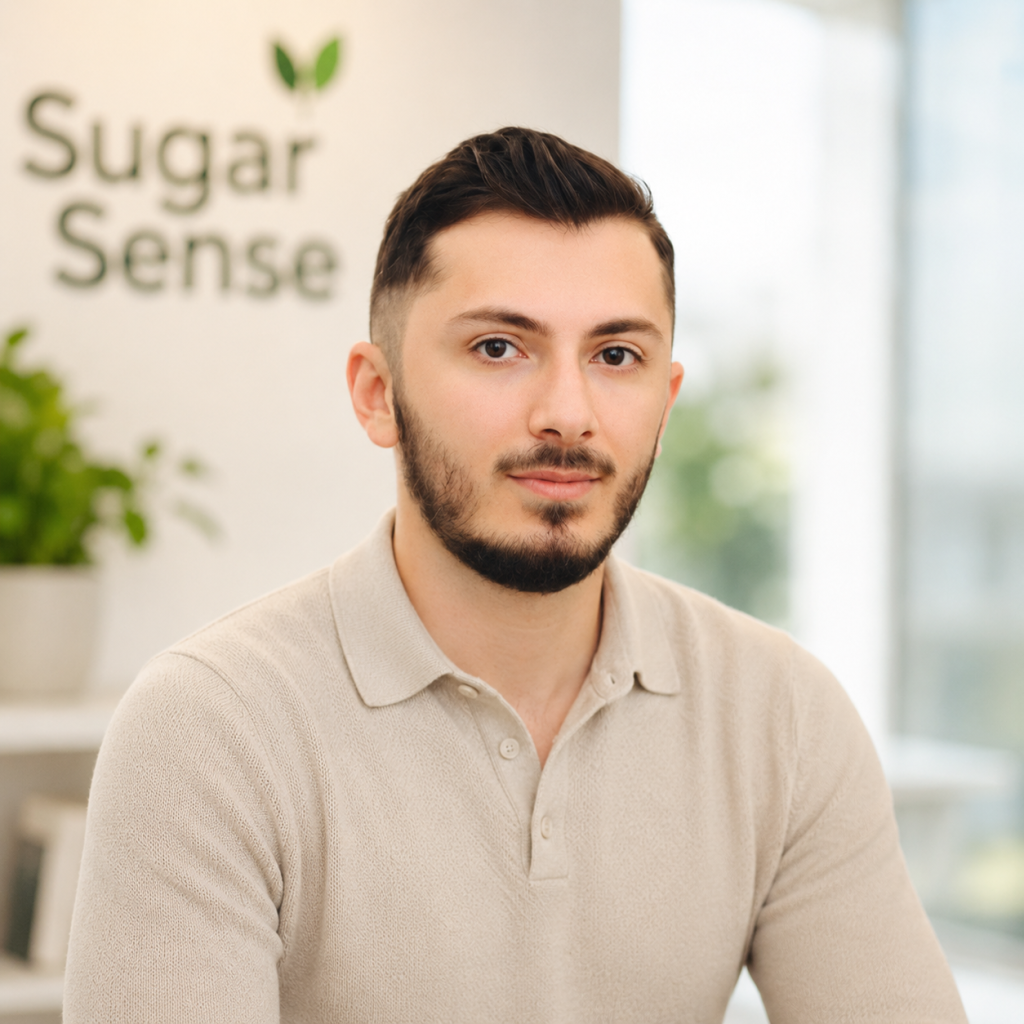
By IRAKLI KURTANIDZE
I have lived with type 1 diabetes for more than twelve years, and I check my glucose the way most people check the time: dozens of times a day, in glances that last a second or two. A continuous glucose monitor sits on my arm and produces a fresh number every few minutes. The sensor is a small miracle. What happens to that number after it leaves the sensor is where digital health still falls short.
The industry default is that CGM data lives in one place: the phone app. But life with a chronic condition does not happen inside one app. It happens in meetings, at a desk, in the kitchen, on the couch, in the car. Every time I have to stop what I am doing, find my phone, unlock it and open an app, a tiny tax is charged. The tax sounds trivial until you multiply it by fifty glances a day, every day, for the rest of your life. Friction quietly reduces how often people look, and looking is the whole point of continuous monitoring.
This leads to an uncomfortable inversion for anyone who builds consumer software: the best diabetes tools should minimize time in app, not maximize it. Engagement, session length, daily active minutes, the metrics most product teams are paid to grow, are exactly backwards for chronic disease. A person with diabetes does not want to engage with their glucose. They want to glance at it and get back to their life. The right KPI is glances made cheap, not minutes made long.
Patients understood this before the industry did. Around 2014 the Nightscout community, parents and engineers rallying under the hashtag #WeAreNotWaiting, rigged their own uploaders and cloud dashboards so a child’s glucose could be watched from a work laptop or a smartwatch. CGM in the Cloud was ambient glucose, built by volunteers, a decade ago. Officially sanctioned data access has improved since, but real-time access largely remains gated behind partner programs while public APIs stay retrospective, which is why open-source bridges still fill the gap today.
When our team built Sugar Sense, an app from a small Estonian health-tech company (Sugar Sense OÜ), we treated that history as the spec. The principle: meet the number where the person already is. So the same reading shows up on iPhone and Android, on an Apple Watch face, on the web, in a Windows system tray icon and a Mac menu bar icon next to the clock, in a browser extension, and through Alexa if you would rather ask the room. The app is listed in the Nightscout project’s community app list, and the core app is free. None of this is technically glamorous. Putting a number next to the system clock is boring engineering. It is also, for a person who glances fifty times a day, the difference between a tool and a burden.
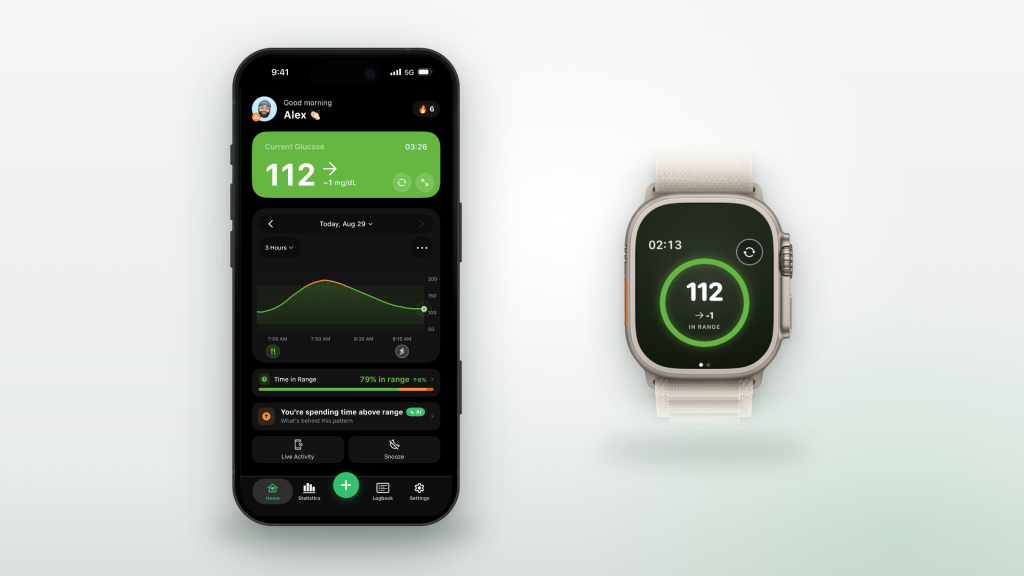
Ambient matters twice over for the people who love us. A parent at work, a spouse in another city, a grandparent learning to help: for them, real-time following turns background anxiety into a two-second glance. We made family following free in our app because access to a loved one’s safety signal should not sit behind a premium gate. The caregiver is not an edge case in chronic disease. Half the time, the caregiver is the user.
None of this is unique to glucose. Blood pressure, heart rhythm, oxygen saturation: chronic disease generates numbers that people live alongside for decades. The lesson from the CGM world is that this data should behave less like a document you open and more like the weather: ambient, glanceable, and shareable with consent, on whatever screen happens to be nearby. Builders in health tech should count the glances they made cheap. Patients are already counting.
Irakli Kurtanidze is the founder of Sugar Sense, a cross-platform CGM companion app, and has lived with type 1 diabetes for more than 12 years.



