

By MATTHEW HOLT
Strap in for the tale of why your hero is spending most of his life down YouTube rabbit holes of cardiology videos while blundering his way around many many medical centers and exposing many problems with American health care even before he gets close to the operating table. Yes it’s Matthew Holt’s pre-surgical complications – the complications that have arisen before he even gets his failing aortic valve fixed. And yes this will be a multi-parter!
Introduction and a decent bit of context
Last summer after a lot of back and forth I discovered that I had aortic stenosis. (I won’t replay the whole story of how the referral to the echocardiogram didn’t happen three times and therefore I nearly didn’t have the test and therefore never found out because I already have elsewhere)
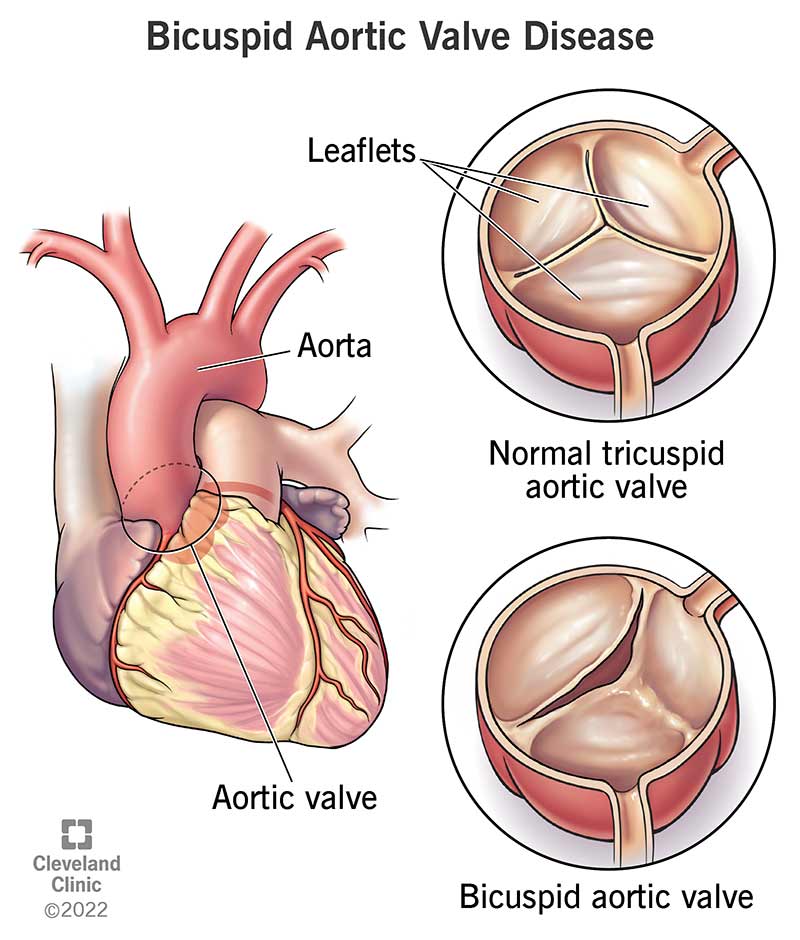
Amazingly this has nothing to do with my bad lifestyle. It’s an inherited heart disease in which the valve that governs the flow of blood between the two main chambers of your heart is starting to fail. Often that means people get very short of breath, start to faint or have severe chest pains but in my case I had none of that. What I did have was the measurement on an echocardiogram showing that my aortic stenosis was “severe” because I have what’s called a bicuspid aortic valve. This is a genetic defect that my father landed me with–well I’m blaming my father but who exactly knows as he’s dead!
Essentially instead of having three leaves on the valve (like a Mercedes symbol) I have two and over time they’ve been steadily picking up more calcification and opening less. That means that more and more pressure is required from the heart to squeeze blood between the two chambers which is bad for the heart and by extension bad for me. That’s pretty strong agreement amongst cardiologists that if you can get this condition fixed before you become symptomatic it’s better than waiting. If you get symptomatic, it’s urgent and your chance of a heart attack and death becomes pretty high (like 25-50% a year!)
But of course it’s not that simple – either from the standpoint of getting it fixed or from the standpoint of how to get it fixed within the American health care system in all of its beauty. And you can expect it, as it’s me, to hear a lot about customer service, insurance, online access to information and of course interoperability. There might also be some AI thrown in for good measure!
Continue reading…



