

Tom Price, President Trump’s new Secretary of Health and Human Services (HHS) strode to the podium to the sound of applause. The two thousand medical administrators and physicians at the annual meeting of CAPG, a trade organization representing physician groups, heard him described as the most influential person affecting the 300+ participating groups that provide care for millions. Only the third physician to lead HHS, many hoped that the orthopedist and six term GOP congressman would bring new sophistication to the federal government’s healthcare programs.
The perfectly coiffed Secretary looked every bit the new man in charge of healthcare. Sadly, his resonant voice soon dashed any hope for substance. He might have commented on the essential U.S. healthcare quandary: A country with average household income of $56,000 can’t afford the $15,000 annual cost of health insurance for a family of four. Neither Republicans nor Democrats can conjure up inexpensive insurance that covers unaffordable healthcare services. What does the Secretary think? He sidestepped the issue, twice patting his audience on the back by touting the American health system as “the finest in the world.” Seriously? If Price had attended the morning session he would have heard that the U.S. spends about 6% more of its GDP on healthcare than average developed country. That extra $1.2 trillion amounts to more than twice the defense budget. Yet U.S. health outcomes for crucial measures like infant mortality and lifespan rank average or even worse. Yes, U.S. medical technology leads the world and foreign dignitaries still travel here for world class, high tech care. But shouldn’t the secretary of HHS understand that the measure of a healthcare system is the quality and accessibility of care provided to average citizens? Continue reading…
 This Spring,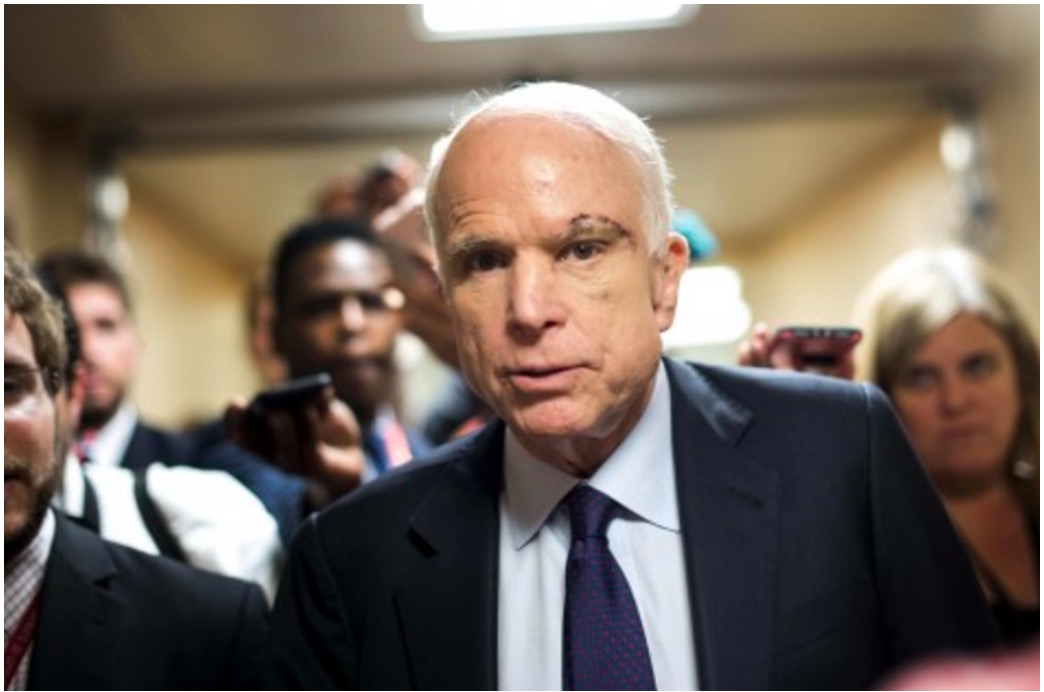

 Who knew healthcare could be so complex? The GOP proposal for health care reform rests on health savings accounts and high deductible health plans. The basic premise is that price opacity, and deep pocketed third party payers drive up the cost of health care. Giving patients dollars in health savings accounts they control should make them price sensitive, and thus help reduce the cost of healthcare. A recent analysis by Drs. Chandra and others provides an interesting perspective on the matter.
 ONC’s first
  Health care providers love to vaunt the unique and subtle needs of patients. How many ads have you heard from cancer centers or health clinics touting their flexibility and showing grateful, tear-flecked patients?
 There are 80,000 new cases of primary brain tumors diagnosed every year in the United States. About 26,000 of these cases are of the malignant variety – and John McCain unfortunately joined their ranks last week. In cancer, fate is defined by cell type, and the adage is of particular relevance here.






